
We often think of science as a neat sequence of logical inferences, a rather cold, rational exercise of the mind to unravel the mysteries of the cosmos. This is undoubtedly part of the game of doing science, but as a scientist myself I know for experience that there is also another face to the story. When our rationality faces a limitation in the understanding of a phenomenon often times new, unexpected and creative avenues open up in front of us in places we had never thought about. This interplay between rationality and imagination, logic and creativity is probably something very profound about human knowledge as Leo Esaki, the Japanese Nobel Prize for Physics, puts it so beautifully in this excerpt:
Einstein used to say, “If you want to know how scientists operate, don’t listen to what they say but rather look at what they do.” We should recognize that science also has dual characteristics. One side is logical, objective, cold and rational, or rigorous – the side of the perfect product, as presented in text books. It is by tradition that this is the side exposed to the public at meetings and conferences. I am quite sure that what Einstein meant was that listening only to reports on completed projects is not a useful way to gain an understand of the true nature of science. The other side of science is imaginative, subjective, individualistic, intuitive and lively, involving the process whereby something new is created. This process relies on perception and inspiration, of course, with a base in sharp intellect. Scientists may use their imagination to search blindly in a desperate struggle of trial and error for the key to some of the underlying secrets of the universe. If by chance a solution emerges, as it sometimes does, and all their effort is rewarded, they really rejoice. This is what Einstein meant when he said, “Look at what they do.” We could use the term “day science” for the logical side, and “night science” for the imaginative side. Of course, both sides complement each other and both are needed for progress. But, the embryo of discovery or of a new theory is always found in the “night science.”
The Challenge in Frontiers of Science and Technology, Leo Esaki – 2005
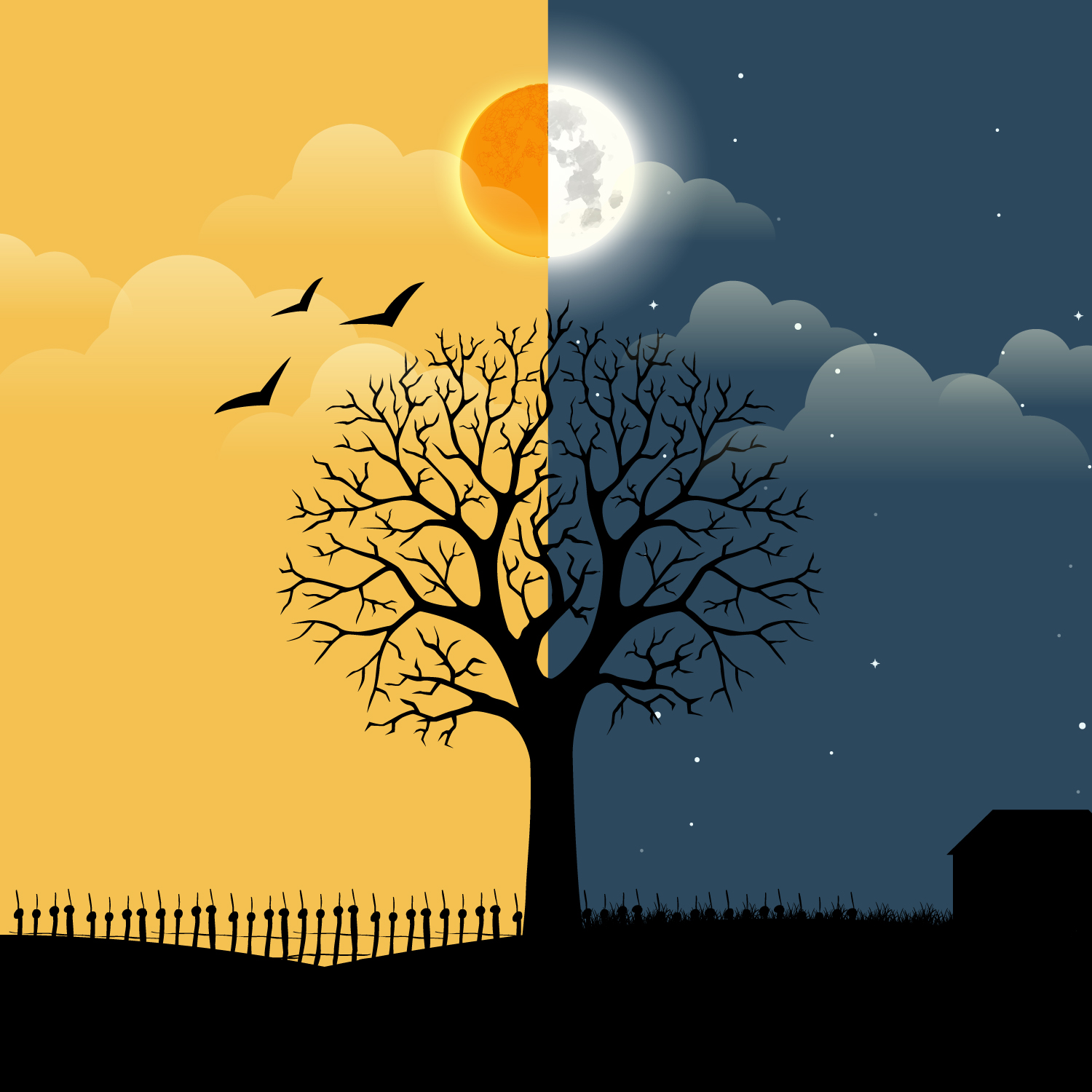
Of course, it is fundamental that we (scientists and not) check our thoughts and inspirations against facts and observations. What Leo Esaki is suggesting us to do in my opinion is to look at the scientist as person in which mysteriously coexist rationality and desire, imagination and logic and most importantly as someone who is capable of experiencing joy in the process of discovering. After all, history of science is packed with anecdotes of people stumbling upon groundbreaking discoveries during a moment of serendipity of even daydreaming (one example for all being the story of Kekule and the structure of benzene). This makes me reflect once again on the importance of the limit in science (and probably in life more in general) as a revealing of the human condition, something that can open us up to a genuine and fruitful creativity.
Scienza notturna e scienza diurna
Spesso pensiamo alla scienza come a una sequenza di chiare inferenze logiche, un esercizio della mente piuttosto freddo e razionale che ci permette di scoprire i misteri del cosmo. Questo e’ senza dubbio parte del gioco del fare scienza, ma come scienziato so per esperienza che c’e’ un’altra faccia della storia. Quando la nostra razionalita’ incontra una limitazione nella comprensione di un fenomeno spesso una nuova, inaspettata e creativa via si apre di fronte a noi in posti dove non avevamo pensato prima. Questa relazione tra razionalita’ e immaginazione, logica e creativita’ e’ probabilmente qualcosa di molto profondo circa la conoscenza umana come Leo Esaki, il premio Nobel giapponese per la fisica ci dice in questo bellissimo passaggio:
Einstein amava ripetere: “se volete sapere come procedono gli scienziati, non ascoltate quello che dicono, guardate quello che fanno”. Dovremmo ammettere che anche la scienza ha caratteristiche duali. Ha un volto logico, obiettivo, freddo razionale, o rigoroso – l’aspetto da prodotto finito, quello che figura nei manuali e viene presentato al pubblico nei convegni e nelle conferenze. Sono convinto che Einstein volesse dire che quel prodotto li serve poco per capire la vera natura della scienza. L’altro volto e’ fantasioso, soggettivo, individualistico, intuitivo e vivace e riflette il processo attraverso il quale viene creato il nuovo. Un processo basato sulla percezione e sull’ispirazione, ovviamente sostenute da una mente acuta. Gli scienziati possono usare l’immaginazione per avanzare a tentoni, in una lotta disperata a colpi di prove ed errori nella ricerca dei segreti dell’universo. Se per caso trovano una soluzione e i loro sforzi sono ripagati, allora davvero possono rallegrarsene: accade raramente. Questo e’ il processo creativo che e’ l’essenza della scienza. Questo intendeva Einstein quando diceva “guardate quello che fanno”. Francois Jacob, Premio Nobel per la Medicina, usava l’espressione “scienza diurna”, per descrivere il lato della logica, e “scienza notturna” per quello dell’immaginazione. Sono complementari, entrambi necessarial progresso. Ma l’embrione di una scoperta o di una nuova teoria sta sempre nel grembo della “scienza notturna”
The Challenge in Frontiers of Science and Technology, Leo Esaki – 2005
Certamente e’ fondamentale che (scienziati e non) vagliamo i nostri pensieri e ispirazioni alla luce dei fatti e delle osservazioni. Quello che Leo Esaki ci suggerisce di fare secondo me e di guardare allo scienziato come a una persona in cui misteriosamente coesistono razionalita’ e desiderio, immaginazione e logica e soprattutto come qualcuno che e’ capace di speriemtare gioia nel processo della scoperta. Dopo tutto la storia della scienza e piena di aneddoti di persone che hanno fatto grandi scoperte attraverso un momento di serendipita’ o attraverso un sogno (come per esempio la storia di Kekule per la scoperta della struttura del benzene). Questo mi fa riflettere ancora una volta sull’importanza del limite nella scienza (e probabilmente piu’ in generale nella vita) come qualcosa che rivela la natura della condizione umana, qualcosa che ci puo’ aprire a una genuina e fruttuosa creativita’
 Water & Wine
Great! Ciao,
LikeLike
Ottima riflessione che presenta un’immagine della scienza più reale e pertanto più umana. L’aspetto che mi affascina di più è l’immaginazione quale momento propulsivo della creatività!
LikeLike
As a computer scientist, I have found that creativity is often forgotten as the main aptitudes to be a programmer. The two pillars, really are logic and creativity. Because creativity is the key to find elegant solutions to problems, while logic ensure their correctness, constancy and completeness.
LikeLike